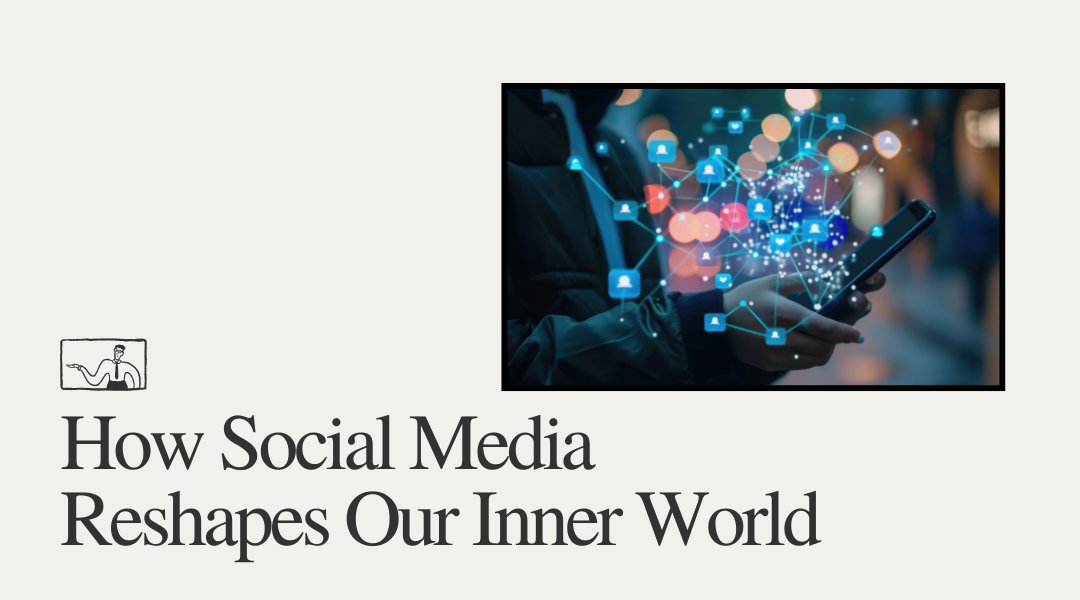
For most of us, checking our phones is as automatic as breathing. These platforms promise connection, a window to the world, and a stage for our own lives. But beneath the glossy surface of curated feeds and viral trends lies a complex psychological landscape that’s quietly reshaping our mental well-being. This isn’t about declaring social media good or evil; it’s about understanding its profound, and often contradictory, influence on our minds.
We’re navigating a grand experiment in human interaction, and we’re only just beginning to understand the results. This deep dive explores the nuanced relationship between our online habits and our mental health, moving beyond simple headlines to uncover the full story.
The Uplift: When Connection Becomes a Lifeline
It’s not all doomscrolling. When used intentionally, these digital spaces can be powerful forces for good, offering solace and community in ways previously unimaginable.
- Finding Your Tribe: For individuals with niche interests, rare conditions, or experiences that make them feel isolated in their immediate surroundings, social media can be a sanctuary. It answers a fundamental human need: to be understood.
- Beyond the Hashtag: While campaigns like #MentalHealthMatter are vital, the real magic happens in smaller, dedicated spaces. Private Facebook groups for new parents experiencing postpartum anxiety, or subreddits for people with chronic illnesses like Ehlers-Danlos syndrome, create intimate ecosystems of support where members share practical advice and, most importantly, the relieving sense that they are not alone.
- Democratizing Knowledge and Advocacy: Mental health information is no longer locked away in academic journals or expensive therapy sessions. Credible experts have taken to platforms like TikTok and Instagram to dismantle stigmas and provide actionable insights.
- A New Kind of Expert: Psychologists like Dr. Julie Smith have built massive followings by creating digestible videos on topics like “5 signs of high-functioning anxiety” or “how to break the cycle of negative thoughts.” This direct-to-audience education is demystifying therapy and empowering people with vocabulary for their struggles.
- The Validation of Shared Experience: Seeing someone else articulate your exact feeling—be it burnout, grief, or creative block—can be incredibly validating. It normalizes human struggle, countering the illusion of universal perfection.
The Drain: The Silent Toll of the Endless Feed
However, the architectural design of these platforms—built on engagement and comparison—creates a potent recipe for psychological strain.
1. The Comparison Trap and the Curated Self
We’re not just comparing ourselves to people we know; we’re comparing our behind-the-scenes to everyone else’s highlight reel. The problem isn’t just envy; it’s the internalization of a distorted reality.
- The “Effortless” Life Illusion: You see a influencer’s “spontaneous” tropical vacation. You don’t see the team of agents, the free resort stay, the staged photos, and the editing process. Your own weekend, however lovely, can pale in comparison to this manufactured perfection, fostering a nagging sense of inadequacy.
- Impact on Identity: For adolescents, whose identities are still forming, this constant comparison can be particularly corrosive. It can anchor their self-worth to external metrics—likes, comments, and visual perfection—rather than internal values.
2. FOMO: The Anxiety of Digital Exclusion
Fear Of Missing Out has been supercharged. It’s no longer just about seeing a party you weren’t invited to; it’s a pervasive anxiety that you’re falling behind culturally, professionally, or socially.
- The “Success” Parade: Scrolling through LinkedIn can feel like watching a non-stop graduation ceremony. Every post is a promotion, a new job, a successful launch. This creates a professional FOMO, making you question your own career path and pace, even if you were content moments before.
3. The Architecture of Addiction
Calling it “habit-forming” is an understatement. Platforms are meticulously engineered to keep you scrolling through variable rewards—the slot-machine effect of not knowing whether the next refresh will bring a thrilling notification or a heartwarming comment.
- The Sleep Thief: This isn’t just about blue light. The constant state of mild arousal—checking for responses, engaging in debates, consuming stimulating content—makes it difficult for our brains to wind down. The “one last scroll” often sabotages the deep, restorative sleep critical for mental health.
4. The Specter of Cyberbullying
Unlike schoolyard taunts, online harassment is inescapable and permanent. It follows you home, into your bedroom, and onto the device in your pocket.
- The Anonymity Factor: The distance provided by a screen can embolden cruelty. Organized “hate raids” on Twitch streams or targeted harassment campaigns on Twitter can create a terrifying environment, leading to severe anxiety, withdrawal, and in tragic cases, self-harm.
Reclaiming Control: A Guide to a Healthier Digital Diet
We can’t simply quit the digital world, but we can learn to navigate it with our eyes open and our well-being intact.
- Conduct a Content Audit: Be ruthless. Who you follow is what you become. If an account—even that of a friend—consistently makes you feel insecure, angry, or inadequate, mute or unfollow them. Your feed is your personal digital environment; curate it like you would your home.
- Schedule Scrolling, Don’t Surrender to It: Instead of mindlessly reaching for your phone, designate specific 15-minute “scroll sessions.” When time is up, close the app. This transforms a passive compulsion into an active choice.
- Embrace “JOMO” (The Joy Of Missing Out): Actively find pleasure in being offline. Savor a coffee without photographing it. Go for a walk and leave your phone behind. The joy comes from being fully present in your own life, not observing the curated versions of others’.
- Demand More from Platforms: Advocate for and use built-in well-being features. Set daily time limits on apps, turn off non-essential notifications, and use “hide likes” functions. We should pressure companies to prioritize user health over endless engagement metrics.
The Verdict: It’s a Tool, Not a Destiny
Social media’s impact on our mental health is not predetermined. It is a powerful tool, and like any tool, its effect depends entirely on how we use it. The responsibility is dual: ours, to be conscious architects of our own digital consumption, and the platforms’, to build environments that foster genuine well-being rather than exploit psychological vulnerabilities.
The goal is not to live offline, but to build a more intentional relationship with our online lives—one where we control the scroll, not the other way around. The ultimate act of digital rebellion is to log off and truly connect with the uncurated, messy, and beautiful reality right in front of us.