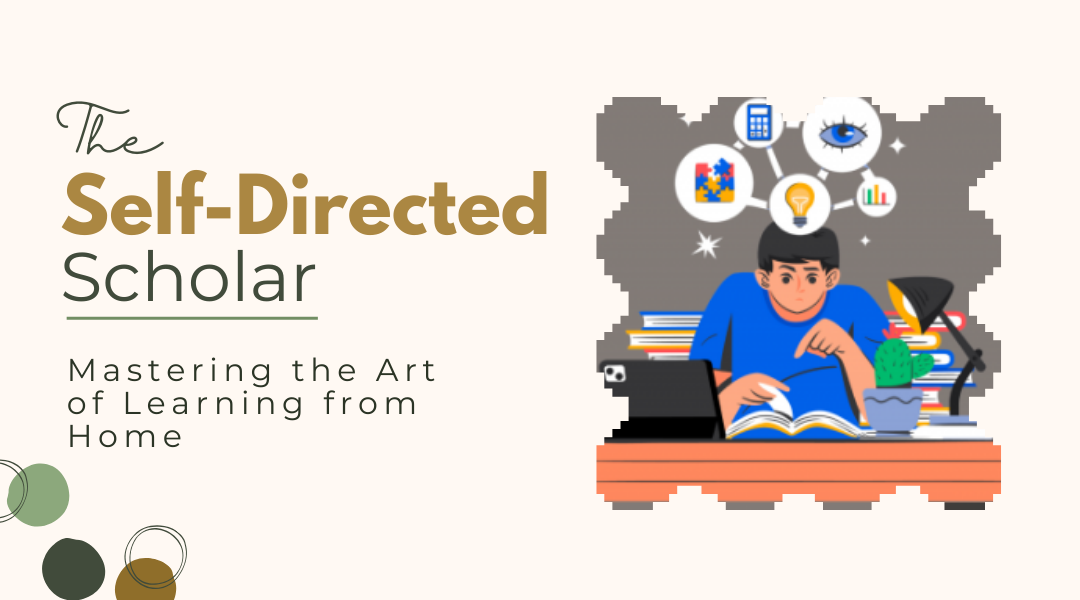
Introduction: The Freedom and the Trap of the Virtual Classroom
The promise of online learning is one of ultimate freedom: learn what you want, when you want, from the comfort of your own space. It’s an empowering vision. Yet, this very freedom is often its greatest pitfall. Without the physical structure of a classroom, the shared focus of peers, and the fixed schedule of a syllabus, our best intentions can dissolve into a cycle of procrastination, distraction, and disengagement. The kitchen beckons, social media pings, and the bed looks awfully comfortable.
Succeeding in this environment requires more than just intelligence; it demands a new set of skills. It’s about becoming the architect of your own educational experience, building structures of discipline and focus where none exist by default. This isn’t about working harder, but about working smarter—designing a personal learning ecosystem that turns the potential for isolation into an opportunity for profound, self-directed mastery. Let’s explore how to build that foundation.
Building Your Personal Learning Architecture
Crafting Your Sanctuary: The Psychology of Place
Your environment is not a passive backdrop; it’s an active participant in your focus. The first step is to design a space that tells your brain one thing: it’s time to work.
- Dedicate a “Learning Zone”: This doesn’t require a separate room. It could be a specific chair at your dining table, a corner of your bedroom, or a consistently configured spot on your couch. The key is consistency. By repeatedly using this space only for learning, you create a powerful psychological trigger. When you sit there, your brain automatically shifts into a more focused state.
- Minimize the “Attention Thieves”: Proactively defend your focus. Use website blockers on your browser during study sessions. Put your phone in another room, or at the very least, turn it face down and silence all non-essential notifications. A cluttered physical space often leads to a cluttered mind, so take two minutes to tidy your “Learning Zone” before you begin.
The Rhythm of Mastery: Structuring Your Time
In the absence of a fixed class schedule, you must become your own timekeeper. The goal is to replace the rigidity of a school bell with a personal rhythm that sustains momentum.
- Time Blocking is Your Best Friend: Don’t just have a vague goal to “study today.” Schedule it. Open your calendar and block out specific, non-negotiable periods for focused learning. Treat these blocks with the same respect you would a doctor’s appointment or a work meeting.
- Embrace the Power of the Pomodoro Technique: The human brain is not designed for hours of uninterrupted focus. Work in short, intense sprints. Set a timer for 25 minutes of undivided attention on a single task, followed by a strict 5-minute break. After four of these cycles, take a longer 15-30 minute break. This technique prevents burnout and makes daunting tasks feel manageable.
- Set “Process Goals,” Not Just “Outcome Goals”: Instead of the overwhelming “I need to pass this course,” set daily process goals like “I will complete Module 3’s video lectures and notes” or “I will work through five practice problems.” These small, achievable wins build confidence and create a clear, actionable path forward.
Moving from Passive to Active: The Art of Engagement
Watching a lecture video is a passive activity; learning is an active one. The magic happens in the space between hearing information and making it your own.
- Take Notes by Hand (or Digitally, with Purpose): The physical act of writing forces your brain to process, summarize, and rephrase information, cementing it in your memory. If you prefer digital notes, don’t just transcribe. Use a method like the Cornell Note-Taking System to actively create summaries and questions as you go.
- Teach What You’ve Learned: One of the most powerful learning techniques is to explain a concept to someone else—a friend, a family member, or even your pet. If you can’t explain it simply, you don’t understand it well enough. This process instantly reveals gaps in your knowledge.
- Forge Digital Connections: The online classroom can feel isolating, but it doesn’t have to be. Actively participate in course forums. Form a virtual study group via video chat. Explaining concepts to peers and hearing their perspectives deepens your own understanding and creates a vital sense of community and accountability.
Conclusion: From Student to Self-Motivated Learner
The journey of an online learner is a metamorphosis. It’s a shift from being a passive recipient of information to becoming the active CEO of your own education. The strategies you build—your dedicated space, your intentional schedule, your active learning habits—are more valuable than any single piece of knowledge you acquire. They are transferable skills for life.
Embrace the freedom, but respect it enough to build your own guardrails. The discipline you cultivate in your virtual classroom will serve you in your career, your personal projects, and your lifelong pursuit of growth. Remember, the goal is not just to complete a course, but to emerge as a more capable, self-reliant, and resourceful learner, fully equipped to thrive in a world where the ability to teach oneself is the ultimate superpower.